
The bathroom is dated. The basement needs attention. You have a list of projects, and very little interest in becoming a renovation manager before you can sell. Can you just sell the house as it is?
Yes—you can market a Northern Kentucky house in its present condition. But “as-is” is a starting position about repairs, not a complete sales strategy. You still need a realistic price, accurate information, and a buyer whose financing can work with the property.
For a homeowner in Covington, Newport, Bellevue, or elsewhere in Northern Kentucky, the useful question is usually this: what would you actually keep after selling now, compared with fixing the house first?
What selling a house as-is actually means
In ordinary listing language, as-is tells buyers the seller does not intend to make repairs. The purchase agreement controls the actual obligations, inspection rights, deadlines, and consequences. Two words in a listing do not replace those terms.
A buyer may still want an inspection. They may decide the condition does not work for them, ask whether you will reconsider a repair, or offer a price that reflects the work. What either party can require—or whether a buyer can terminate—depends on the signed agreement.
Make the expectations clear before accepting an offer. “I will not remodel the kitchen” is different from “I cannot pay for a repair needed for this buyer’s loan.” Those situations deserve different conversations.
As-is does not make the disclosure question disappear
Do not treat the label as permission to conceal a known problem. Kentucky has a statutory seller-disclosure process for covered single-family transactions involving a compensated real estate licensee, with specified exceptions. Your agent should address whether and how that process applies to your sale.
The Kentucky disclosure statute specifically addresses matters including basement leaks, roof condition, water and sewage service, and component systems. Describe what you know accurately. If you do not know something, do not turn a guess into a confident answer.
Gather any relevant repair invoices, warranties, and reports you already have. They can help explain a problem and what was done about it. If you have a specific disclosure or contract dispute, get advice on those facts before proceeding.
Older homes also raise a separate federal disclosure issue. For most housing built before 1978, sellers must provide the required lead-hazard pamphlet, known lead-paint information and available records, and the required contract disclosures before the buyer signs. Buyers generally also receive a 10-day opportunity for a lead inspection or risk assessment, unless the parties agree in writing to a different period or the buyer waives that opportunity. An as-is label does not remove these requirements. See EPA’s lead-disclosure guidance for the requirements and exceptions.
You do not have to sell directly to an investor
A cash offer can be worth considering when speed, certainty, or avoiding repairs matters most. It is one option. Listing the home publicly in its present condition is another. Depending on the house and its condition, potential buyers may include owner-occupants willing to do work as well as investors.
Compare written offers on the same basis: price, fees, inspection and termination provisions, closing date, required work, and expected proceeds. A proposed quick closing is useful only if the rest of the agreement supports it. Ask who is buying, whether the contract can be assigned, and what conditions remain.
Do not assume a cash offer is automatically the strongest—or that a higher financed offer will necessarily close. The goal is to evaluate the whole arrangement.
Cosmetic wear and financing problems are different
Old carpet and a dated vanity are not the same kind of issue as an active roof leak or a major electrical problem. Buyers may budget for cosmetic work after closing. A lender or insurer may need another problem addressed before the transaction can proceed.
The Consumer Financial Protection Bureau explains that major repair findings can complicate closing and that loan programs may impose property standards. Before relying on a financed offer, discuss the known condition with the buyer’s lender through the appropriate parties. A repair credit does not automatically satisfy a pre-closing repair requirement.
Insurance deserves attention too. Our guide to homeowners insurance before closing explains why buyers should investigate coverage early.
Compare three selling plans before spending on work
Plan one: sell in the current condition. Estimate a defensible sale range based on relevant comparable properties, then deduct selling expenses, loan payoff, and likely concessions. Account for the cost of continuing to own the house until closing.
Plan two: make a few targeted improvements. Get actual quotes for work that could remove a meaningful obstacle: cleaning, clearing access, or a specific repair. Ask whether it changes the buyer’s decision, the financing options, or simply the appearance.
Plan three: renovate more extensively. Include materials, labor, contingency, and additional time—not just an optimistic sale price. A project needs to earn enough to justify the money and disruption. There is no automatic dollar-for-dollar return.
For illustration only: if work costs $12,000 and produces a sale price $15,000 higher, the apparent gain is $3,000 before extra ownership costs, transaction-cost differences, overruns, and your time. That might be worthwhile. It might also be a lot of effort for a narrow margin.
What should you do before showing an as-is home?
As-is does not need to mean impossible to evaluate. Remove clutter where practical, provide safe access, and make the home easy to understand. Cleaning is different from concealing. Avoid cosmetic fixes that hide an unresolved issue.
Older homes in the river cities can have distinctive layouts, limited parking, and multiple generations of improvements. Explain what is included, what is known about major systems, and what work remains. Buyers need enough information to decide whether the house fits their budget and ability.
Price should reflect the property buyers will actually receive. Nearby renovated sales may provide context, but they do not establish that your house should command the same price minus the cost of a few materials. Buyers also account for labor, uncertainty, and the inconvenience of doing the work.
Start with the options, not a renovation shopping list
If you are considering selling a house as-is in Northern Kentucky, Betsy can help compare a current-condition listing with targeted preparation and the offers you receive. The first step is looking at the property and the relevant competition.
Request a personal home-value review and mention the repairs you want to avoid. Or call or text Betsy about selling. You do not need to finish the projects before starting the conversation.
This guide addresses Northern Kentucky. Ohio disclosure requirements and contract practices should be reviewed separately for a Cincinnati property.
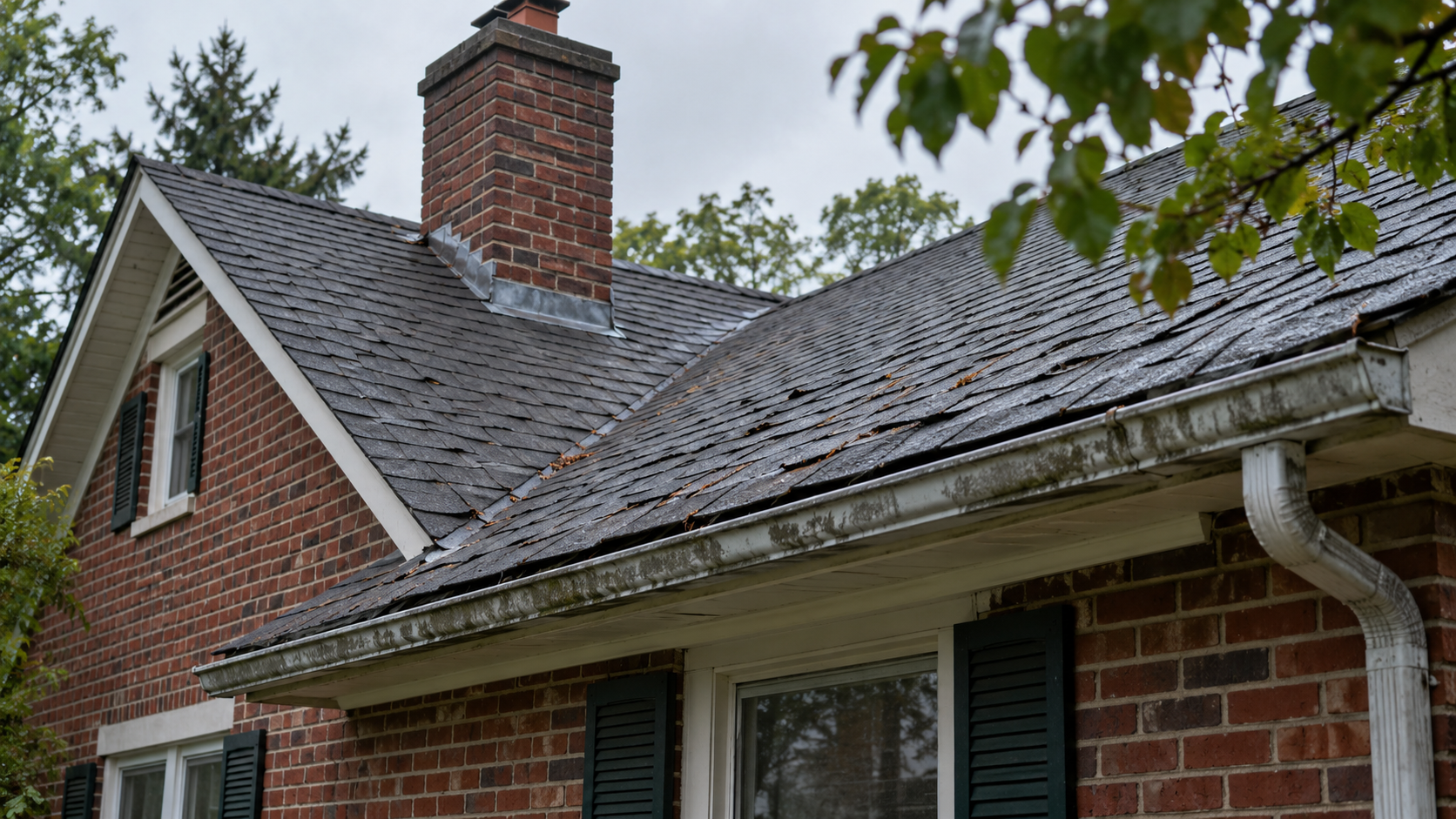
Featured image: AI-generated editorial illustration of a fictional home, not an actual listing or client property.